Musicians: 4 Powerful Reasons to Hit Record

Dongsook Whitehead
Dongsook is actively involved in authoring, developing, publishing, and distributing world-class courses, training programs, and services used in higher learning institutions, corporations, as well as US military.
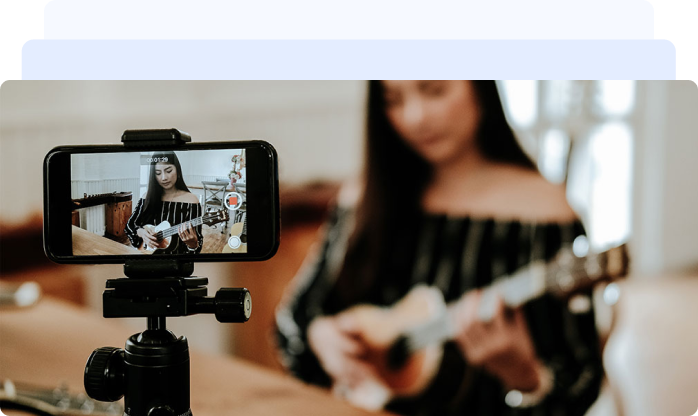
If you're serous about improving as a musican there is one simple habit you should do: Record Yourself
Musicians: 4 Reasons to Hit Record and 4 Ways to Get Started
It might feel uncomfortable at first, but once you make this a consistent part of your practice routine, you’ll unlock faster growth, deeper self-awareness, and more confidence in your playing or singing.

Why Recording Yourself Works
When you play or sing, your focus is divided between technique, timing, and emotion. That means you can’t always hear yourself objectively in the moment. Recording gives you the gift of perspective—it’s like having a mirror for your music.
By listening back, you can:
- Hear small rhythm or intonation issues you missed.
- Notice inconsistencies in tone or phrasing.
- Spot technical habits you didn’t realize you had.

Track Your Progress Over Time
Recording your sessions isn’t just about catching mistakes—it’s about seeing growth. When you listen to older recordings, you’ll hear how far you’ve come.
Many musicians feel like they’re not improving, but that’s often because progress happens gradually. Regular recordings make your improvement tangible and motivating.
Pro Tip:
Create a “Practice Journal” folder and label recordings by date and piece. Once a month, review your earliest recordings—you’ll be amazed by the difference.

Build Performance Confidence
Stage fright often comes from not knowing how you actually sound. When you record yourself frequently, performing starts to feel more natural.
You’ll learn to stay calm and focused under pressure, because recording mimics that same kind of spotlight attention. Over time, it builds stage confidence and helps you stay grounded in real performance situations.

Get Objective Feedback from Mentors
If you’re studying with a teacher or mentor, recordings are an incredible tool for feedback. Instead of trying to remember what happened in your practice session, you can show them exactly what you did.
Mentors love working from recordings—it helps them pinpoint what to focus on next, and you get more value from each lesson.
How to Get Started
You don’t need fancy equipment. A smartphone or laptop mic works perfectly fine. Here’s how to begin:
- Choose one piece or exercise to record.
- Do a single take—no stopping or redoing.
- Listen back and write down 2–3 things you liked and 2–3 things to improve.
- Revisit the same piece in a week and compare the results.
Final Thoughts
Recording yourself isn’t just about finding mistakes—it’s about hearing your musical story unfold. Every clip becomes a snapshot of your growth and dedication.
So grab your instrument, hit record, and start learning from the most insightful teacher you’ll ever have: yourself.
Need Help? Find A Mentor

Top Blogs





Related Success Stories