C4E Scholarship Sparks 2 Fundraising Breakthroughs for ARC Music Students

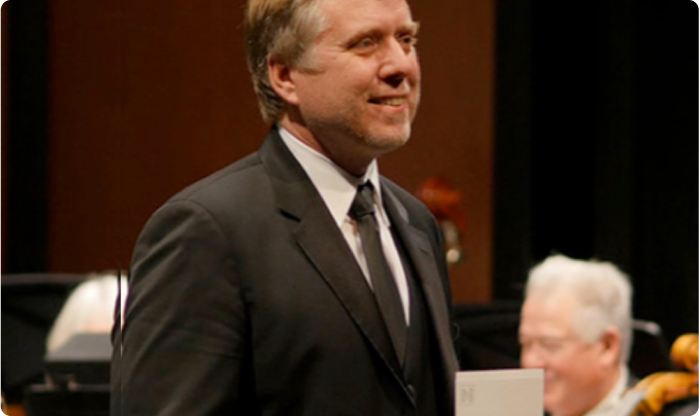
Steven Thompson
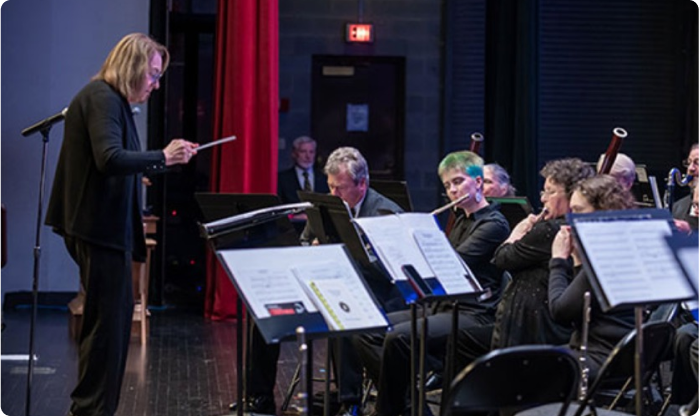
Steven is Co-Department Chair of Music at American River College, where he teaches Introduction to Music and Music Theory and Musicianship, coordinates the Applied Music and Online Degree programs, and directs the orchestra.

How this C4E Scholarship Program
Changed Everything
When we began designing our online degree programs at American River College (ARC), we adopted several digital textbook music courses developed by Connect For Education Inc. (C4E) — some fully built, and some created in collaboration with us specifically for ARC students.

As part of that partnership, C4E offered something unusual: a percentage of every textbook or seat license used by our students would go directly into a scholarship account for our department.
On top of that, in courses like Applied Music, any unused mentor meeting funds at the end of the semester are also placed into that same scholarship reserve.
This Scholarship Program changed everything for us.
Where We Started
ARC is an open-access college. We cannot charge students extra for private instruction. For years, our Applied Music budget was fixed and modest.
In a college of more than 30,000 students, we were limited to 23 funded Applied Music instructor spots, reserved only for music majors.
That cap slowed growth and limited access. And at times, it meant placing students in an applied course without funded private instruction.
Our music department knew we had to rethink the structure.
The Redesign — and Two Funding Breakthroughs
When we redesigned Applied Music, two important things happened:
We embedded our mentor model into a textbook structure.
That allowed us to access funding streams aimed at instructional materials, seat licenses, and technology grants — resources that weren’t previously available for private instruction.
The C4E scholarship fund created a sustainable reserve.
Percentages from textbook sales — combined with unused mentor funds — began building a flexible scholarship pool for our students.
Instead of losing unused funds at the end of each term, C4E rolled them forward to support our growth.
How it Works in Practice
ARC purchases Applied Music textbooks that include access to a mentor pool. Students can meet:
In person (if the mentor is local)
-or-
Via videoconference (if the mentor is elsewhere)
When mentor lessons go unused at the end of a term, those funds move into our C4E scholarship account. Add to that the percentages from music textbooks across our department, and we have a growing reserve dedicated to student support.
Every semester, our students study with both mentors locally and in many locations outside of our campus in places like:
- Los Angeles
- San Francisco
- Dallas
- Denver
- Oaxaca, Mexico
- Valencia, Spain
What That Growth Has Meant
Since activating the C4E scholarship model, we’ve seen:
A 483% student increase...
from the semester we returned after the pandemic
A 204% increase...
over the maximum number of Applied Music students we were able to fund pre-pandemic
And we’re not slowing down. Recruitment for next fall has already surpassed projections.
This growth has allowed us to:
- Open Applied Music to non-majors
- Use the program as a dual-enrollment recruiting tool
- Energize faculty mentors
- Grow studios
- Increase music majors
- Provide instruction to students at no additional cost
“A publisher that will work with us? That’s incredible.”
Greater Access
Another key piece: access.
There’s no long wait for business office approvals. No months of paperwork when demand increases beyond college funding level. When demand increases beyond college funding level. Even as those levels have grown alongside our success, we can access our C4E scholarship reserve quickly. That flexibility has allowed us to keep pace with student demand in real time. And now we’re dreaming bigger.
We’re exploring the possibility of using scholarship funds to provide accompanists for every student recital and jury. For years, that would have been out of reach. Now it’s realistic.


Why This Matters
The C4E scholarship model didn’t just solve a funding gap. It gave us a way to think expansively about what access can look like at a community college.
Students can study with mentors across the country — even internationally.
Applied music is no longer capped at an arbitrary number.
Growth fuels growth.
For our students, that means more lessons, increased course offerings, more performances, more connections, and more possibilities.
And we’re just getting started!
C4E Scholarship Program:
If you are interested in exploring this opportunity further, C4E would be glad to discuss enrollment targets and partnership details at your convenience.
Top Blogs











Related Success Stories