Meeting the Moment: 6 Reasons Why Online Music Degrees Are Defining the Future of Music Education 

Anita Horsley
Anita Horsley has a Masters in Education, is a certified Adobe Captivate Professional, international author for Packt Publishing, and VP or Product Management for Connect For Education Inc.
7 Powerful Techniques to Build Stage Confidence
A New Era for Music Education
The world of higher education is changing rapidly — and music programs are no exception. Today’s students aren’t all traditional college freshmen with open schedules and access to campus practice rooms. Many are working adults, parents, or high school dual-enrollment students balancing complex lives.

As Dr. Steven Thompson writes in College Music Symposium’s “Meeting the Moment”, the rise of online music degrees isn’t just convenient — it’s essential.

The move to digital formats is transforming how, where, and why people study music, and it’s giving schools a critical lifeline in a time of shrinking enrollments.

""
The Shift Toward Flexibility and Access
At American River College in California, Thompson observed something remarkable: By 2016, fully online music and general education courses filled up quickly — while in-person sections struggled to reach capacity. Students repeatedly cited flexibility as the top reason for choosing online courses. They wanted to:

  • Rewatch lectures at their own pace
  • Study around work or family schedules
  • Avoid long commutes or transportation costs
  • Continue learning from anywhere in the world/li>
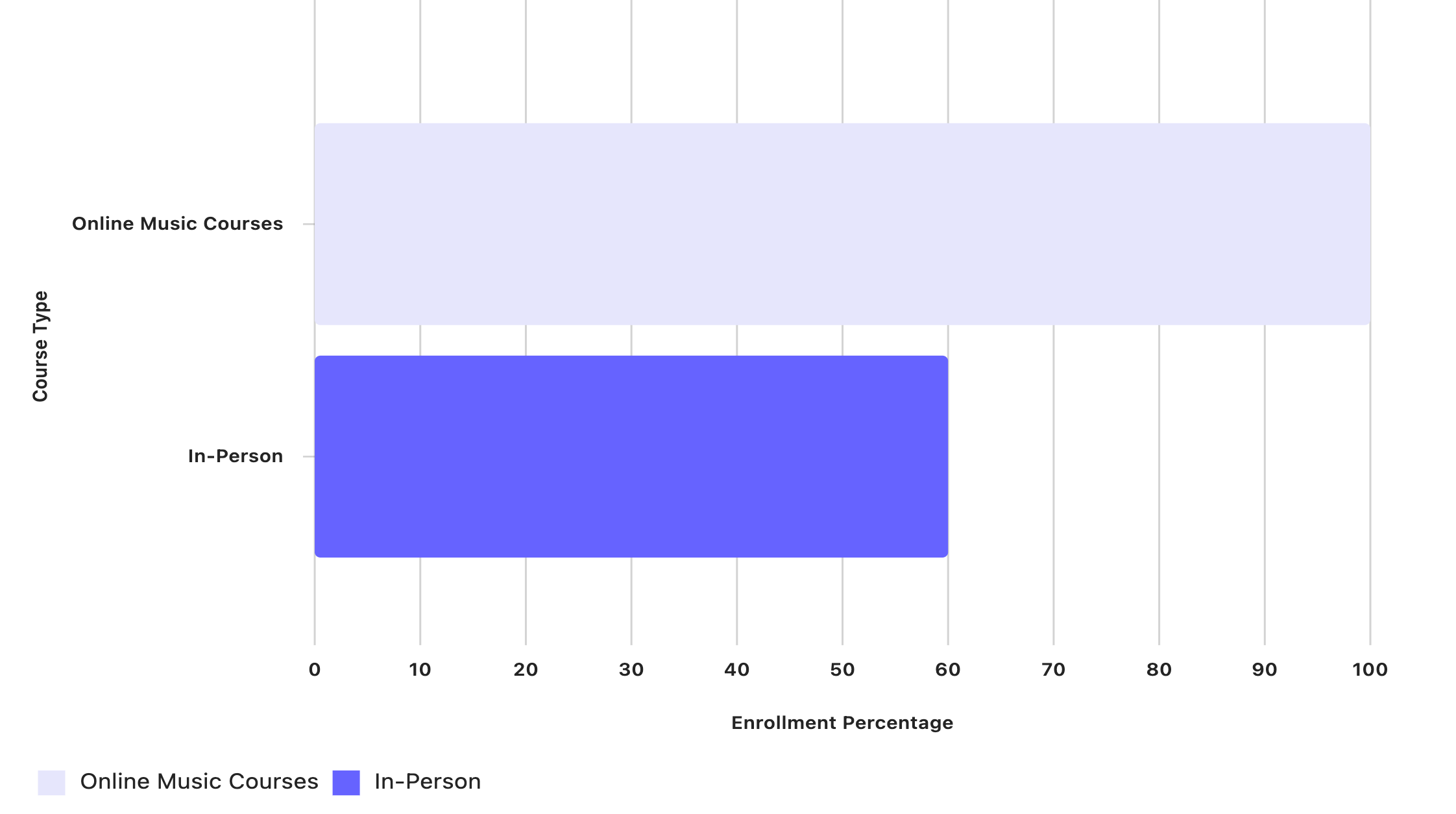
For many, online learning made the difference between enrolling and dropping out.
01_branded
""
The New Face of the Music Student
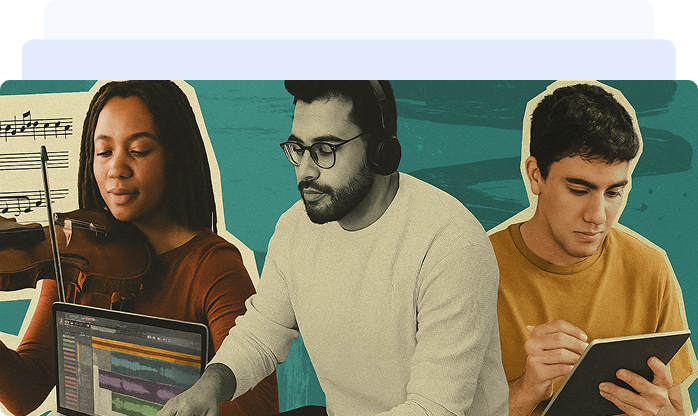
Gone are the days when most music majors were 18- to 22-year-old full-time students living on campus. Today’s music learners come from diverse backgrounds:

  • Adult learners reskilling or returning to education
  • Working musicians seeking credentials to teach
  • High school students earning early college credit
  • International students unable to relocate/li>
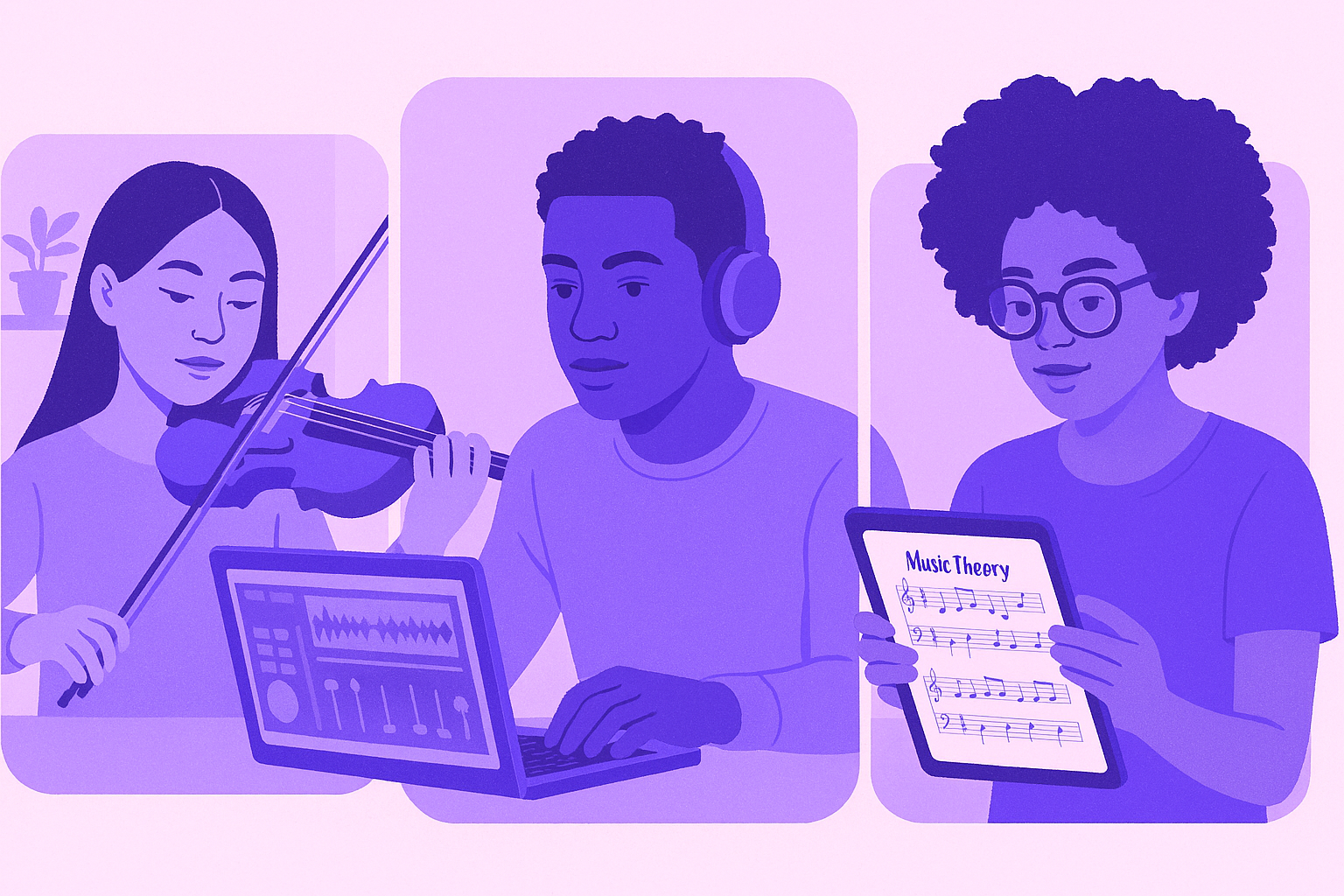
Online degrees make it possible for all of them to pursue accredited music education without uprooting their lives.
02_branded
""
Technology, AI, and a Cultural Shift
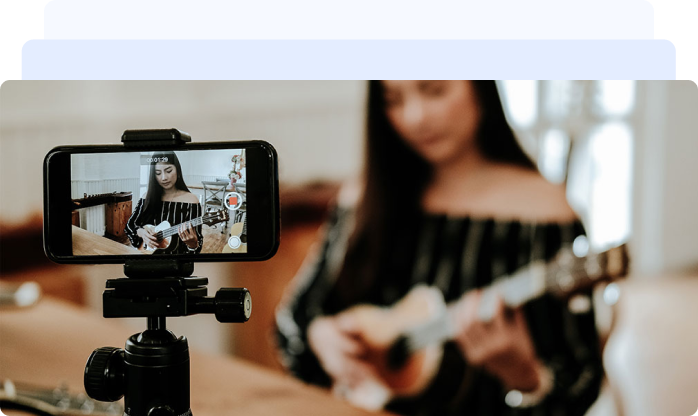
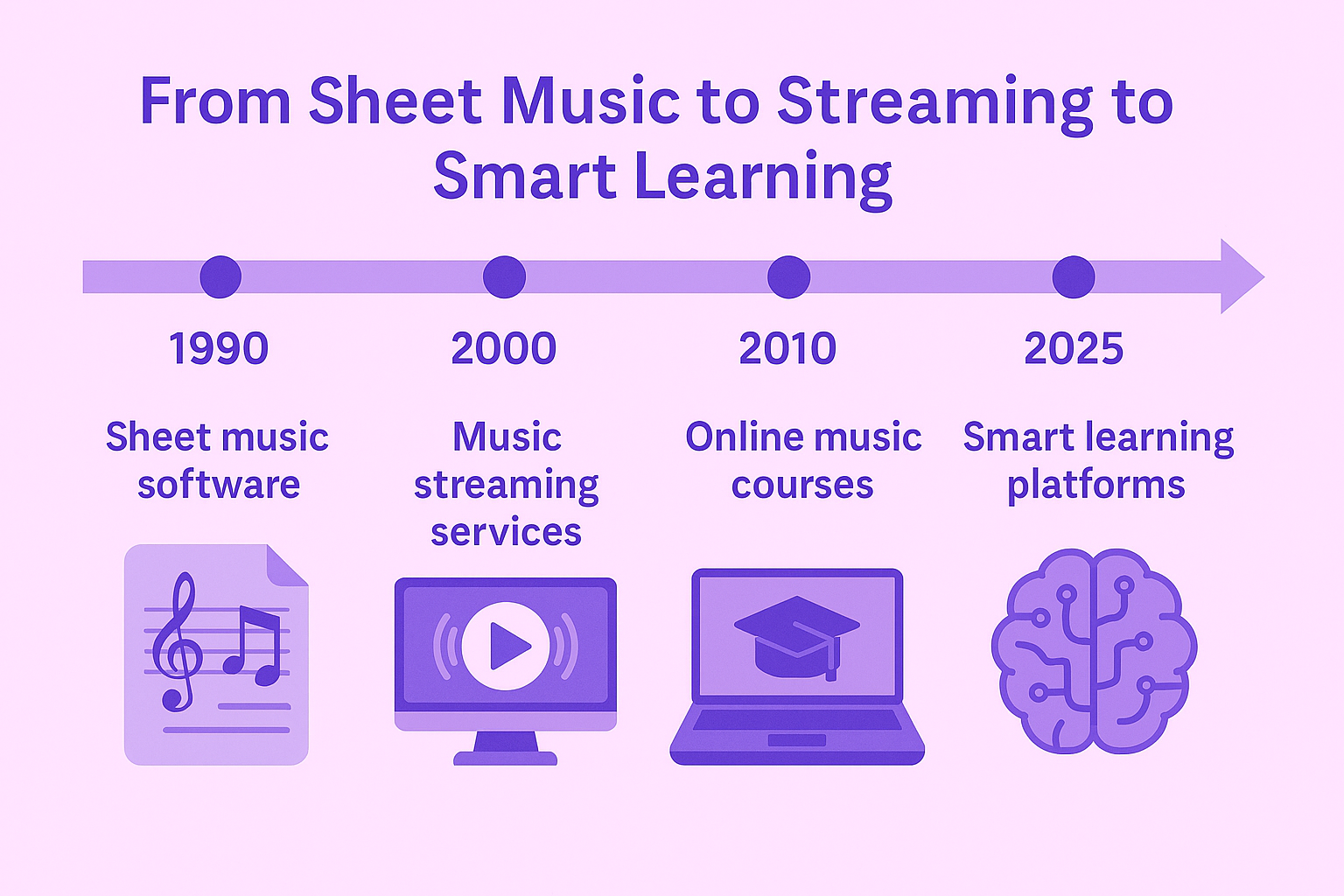
Modern students are digital natives. They’ve grown up using smartphones, YouTube tutorials, and virtual collaboration tools. They expect education to be interactive, flexible, and online-friendly.

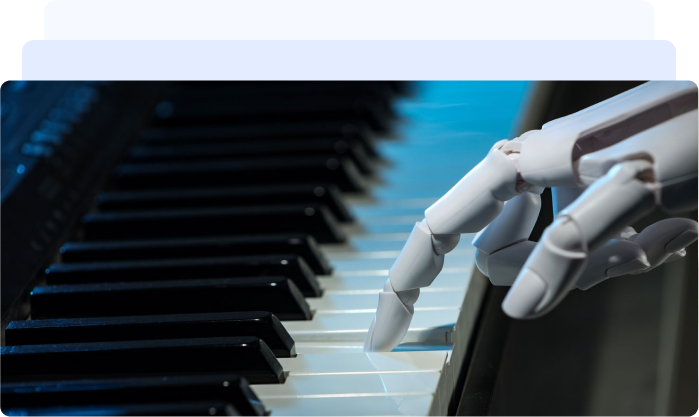
Thompson connects this shift to larger forces: the spread of digital pedagogy, the use of AI-assisted learning tools, and the mainstreaming of online creative collaboration.

In short: the music classroom has already expanded far beyond the campus walls.
03_branded
""
Facing the “Enrollment Cliff”
LAcross the U.S., colleges are bracing for what’s called the student cliff” “— a projected drop in the number of traditional college-aged students. This demographic shift will make enrollment competition fierce, especially for smaller arts departments.

Online programs offer a solution. By opening doors to remote and non-traditional learners, institutions can stabilize or even grow enrollment “while expanding their reach far beyond their local region.

04_branded
""
Institutions Leading the Way
A growing number of schools are recognizing this opportunity. Notable examples include:

  • American River College, which launched California’s first fully online Associate Degree for Transfer in Music
  • Berklee Online, offering globally recognized music degrees
  • Manhattan School of Music and Full Sail University, both expanding digital pathways in performance, composition, and production

These pioneers are proving that online doesn’t mean “less than” — it means different, inclusive, and adaptable.
""
Meeting the Moment
Thompson’s message is clear: the time to act is now.

Music programs that embrace online learning are not only future-proofing their institutions — they’re meeting the needs of a new generation of musicians who learn, practice, and collaborate in digital spaces.

The tools exist. The students are ready. The moment is here.
The Future Is Hybrid, Not Hierarchical
Online music degrees don’t replace traditional conservatories; they expand access to music education for all who love and live music.

From theory and composition to technology and performance, the future of learning is flexible, global, and student-centered.

Whether you’re a department chair, a private teacher, or a lifelong musician, one thing is certain:

To keep music education alive, we must meet this moment — online.

Read Dr. Thompson's full article in the College Music Symposium’s “Meeting the Moment”,

Graphics
Top Blogs

C4E Scholarship Sparks 2 Fundraising Breakthroughs for ARC Music Students

March 10, 2026

How this C4E Scholarship Program Changed Everything When we began designing our online degree programs at American River College (ARC), we adopted several digital textbook…

Read More

Find Your Unique Sound: 5 Breakthrough Strategies Every Musician Needs

February 4, 2026

Find Your Unique Sound Find Your Unique Sound by exploring the creative choices, influences, and instincts that make your music unmistakably yours. Developing a signature…

Read More

Online Music Lessons That Actually Work: 5 Proven Ways Students Succeed

January 12, 2026

How Virtual Lessons Can Be More Effective Online music lessons have become more popular than ever-but not all online music lessons actually work. Many students…

Read More

Crush a Learning Plateau: 5 Game-Changing Ways Students & Musicians Break Through

January 6, 2026

Why Students & Musicians Experience a Learning Plateau Every musician hits a wall at some point – that frustrating moment when progress stalls, motivation dips,…

Read More

Choosing the Best Music School for Your Goals: 5 Brilliant Tips

December 10, 2025

Find the Music School that’s Right for YOU Choosing the best music school for your goals takes more than finding a program with a strong…

Read More

5 Reasons Why Online Music Lessons Work: Expert Mentorship for Every Level of Musician

November 25, 2025

Why Online Music Lessons Are So Effective Online music lessons work! Virtual lessons have become one of the most powerful and effective ways to learn…

Read More

7 Powerful Techniques to Build Stage Confidence

November 17, 2025

From Practice Room to Performance Stage: What Top Music Professors Teach About Stage Confidence You’ve spent countless hours in the practice room. Your technique is…

Read More

Musicians: 4 Powerful Reasons to Hit Record

October 27, 2025

If you’re serous about improving as a musican there is one simple habit you should do: Record Yourself Musicians: 4 Reasons to Hit Record and…

Read More

4 Proven Audition Tips from Professional Music Mentors

October 22, 2025

How to Nail Your Music School Audition 4 Proven Audition Tips from Professional Music Mentors The thought of auditioning for a top-tier music school-like Juilliard,…

Read More

Composing the Future with AI

July 23, 2025

Using AI and Machine Learning in Music Composition Courses. With a nod to the human touch at Connect For Education Inc. In recent years, artificial…

Read More

5 Effective Strategies for Teaching Music Theory to Non-Majors 

June 24, 2025

How to Make Teaching Music Theory Meaningful, Accessible, and Engaging for Every Student Teaching Music theory can be a powerful for understanding how music works-but…

Read More

Can we actually play music together online, in real time?

June 5, 2025

Connect For Education Online Music Lessons vs. Zoom: What’s Best for Playing Together Online? As music educators and students, one of the biggest challenges we…

Read More