7 Powerful Techniques to Build Stage Confidence

Bryan Mcelhaney
Executive management specializing in higher education arts and media fields.

From Practice Room to Performance Stage: What Top Music Professors Teach About Stage Confidence
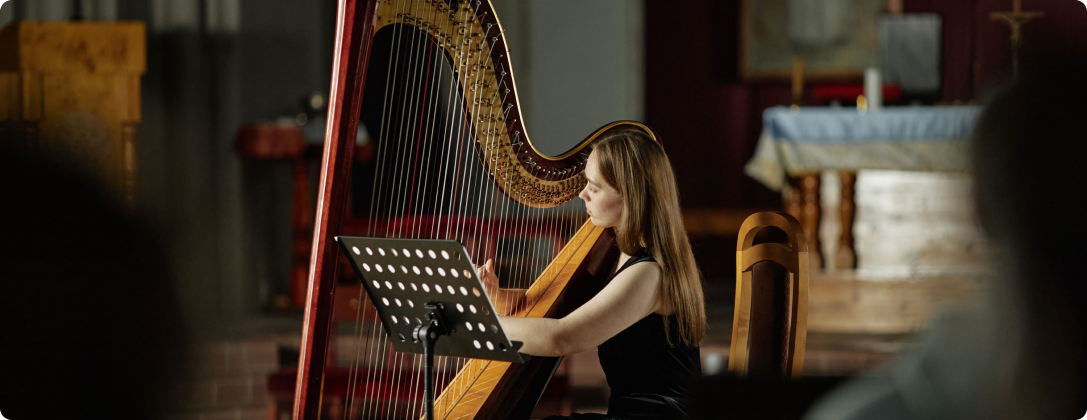
You’ve spent countless hours in the practice room. Your technique is solid, your interpretation refined. But suddenly, the stage lights hit, and a wave of nerves washes over you. This is a common experience for musicians at every level, from aspiring students to seasoned professionals. The leap from solitary practice to public performance requires more than just technical mastery; it demands a unique kind of mental fortitude and stage confidence.
So, how do the best music professors in the world help their students bridge this gap?
We've gathered insights from leading mentors on cultivating the unshakeable self-assurance that truly shines on stage. Here are the seven (7) Powerful Techniques to Build Stage Confidence:

Embrace the “Performance Mindset” Early On
Many students treat the practice room and the stage as entirely separate entities. Top professors teach that the performance mindset should be integrated into practice from the very beginning.
By treating each run-through as a mini-performance, you begin to desensitize yourself to pressure. The actual performance then becomes a natural extension of the work you already know so well.
One mentor advises.
“Every practice session is a rehearsal. Don’t just play through pieces; perform them for yourself.
Imagine an audience, focus on presenting the music, not just correcting notes.”

Visualization: Your Secret Weapon
Visualization is one of the most powerful tools for building stage confidence, and the best professors swear by it. This mental rehearsal involves imagining not just the music, but the physical sensations and emotional landscape of performing.
Close your eyes and picture:
- The walk onto the stage
- The feel of your instrument
- The warmth of the lights
- The first breath before the opening phrase
- The calm, confident energy flowing through your body

Practice Under Pressure—On Purpose
Students often avoid playing in front of others until the last possible moment. Top professors do the opposite: they create pressure intentionally.
They encourage performing in::
- Studio classes
- Small peer groups
- Family gatherings
- Livestream sessions
- “Mock performances” the week before a recital
As one professor explains, “Nerves don’t disappear; you just get good at performing with them.”

Build a Repeatable Pre-Performance Routine
Elite musicians rarely walk on stage without a ritual that grounds them. Professors teach students to develop personal routines that signal the mind and body to shift into performance mode.
Common elements include::
- Slow, deep breathing
- Brief stretching or centering exercises
- Repeating a mantra (“Trust the work,” “Breathe and go,” etc.)
- Visualizing the opening bars
- Light technical warm-ups

Focus on Musical Storytelling, Not Self-Judgment
One major mental shift professors emphasize is redirecting attention from yourself to the music. Nervousness often stems from fear of judgment.
When you move your focus toward communicating the story, emotion, or message of the piece, the anxiety naturally lessens.
“Your job is to serve the music,” one professor puts it. “When you’re truly connected to the narrative, ego dissolves.”
Build Stage Confidence

Accept That Imperfection Is Part of Live Performance
Perfectionism is one of the biggest enemies of stage confidence. Top educators remind students that live music is alive—which means it will never be flawless.
Instead of chasing perfection, they teach::
- Consistency through solid technique
- Adaptability when unexpected things occur
- Graceful recovery skills
- Trust in preparation over control

Reflect Constructively After Every Performance
The growth doesn’t end when you walk off stage. Professors encourage students to practice balanced, nonjudgmental reflection.
Ask yourself:
- What went well?
- What improved compared to last time?
- What moment felt most connected or expressive?
- What one thing could I refine next time?
Confidence Is a Skill—Not a Trait
The greatest music professors agree on one thing: stage confidence is not something you’re born with—it’s something you build. Through mental training, performance practice, visualization, and a healthy mindset, any musician can step onto the stage with poise and assurance.
You’ve already put in the hours of technical work. Now, with the right mental habits, you can let that work shine exactly when it matters most.
Unlock your full potential and book a free discovery session with an elite teacher.
Top Blogs








Related Success Stories